Borrowed Ladders and Bare Locks: The Quiet Contracts That Hold a Town Together
Photo: tony_duell, CC BY 2.0, via Wikimedia Commons
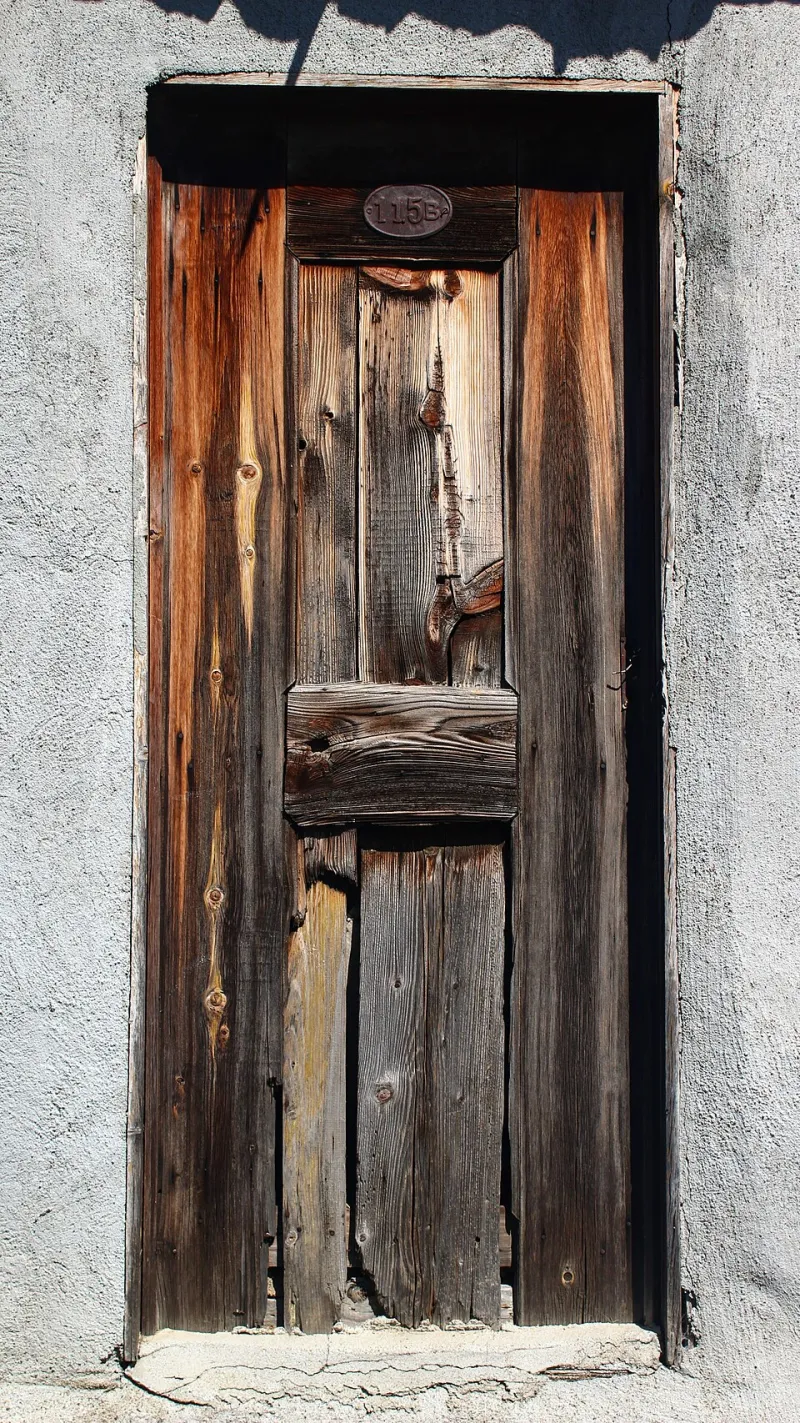
There is a cottage on Mill Lane, and for as long as anyone at this firm can remember, there has been a key beneath the third flowerpot from the door. Not hidden, exactly. Placed. The pot is heavy, the key is old, and everybody who needs to know, knows.
We have traded property in this town since 1892, and we can tell you with some authority that the most valuable feature of any house around here has never appeared on a floorplan. It is the network of small, unspoken arrangements that surrounds it — the loans, the leaves, the ladders and the left-open gates that no conveyancer has ever drafted but every resident quietly upholds.
The Honesty Box at the End of the Lane
Take the eggs at Hollowmead Farm. A hand-painted sign, a tin box with a slot cut in the lid, a roll of plastic bags and a price that hasn't changed since spring. Nobody watches. Nobody needs to. Mrs Hartley, who keeps the hens, told us once that the box has been short perhaps three times in forty years, and twice it was the wind.
There is a school of thought that says such a system is naïve. We would argue the opposite. An honesty box is not a test that most people fail; it is a standard that most people rise to. The tin on the lane does more for local trust than any neighbourhood watch newsletter, because it presumes the best of everyone who passes it — and presumption, it turns out, is contagious.
The Shed That Belongs to Everybody
Every street seems to have one: a shed or garage whose contents circulate more freely than the owner would ever admit. A wheelbarrow that spends more weekends in other people's gardens than its own. A set of hedge trimmers with a rota nobody wrote down. In our experience, the shed in question usually belongs to somebody who moved here fifty years ago, decided to be a good neighbour, and never worked out how to stop.
These arrangements have their own etiquette. You return things washed. You return them promptly. You mention, in passing and without ceremony, that you've borrowed them, so nobody goes hunting. Breaking any of these rules is not met with a letter before action but with something far worse — a slight pause before the greeting at the post office, and a fortnight of being called "sir" by people who've known you since you were a boy.
Why This Matters to a Firm Like Ours
You might wonder why a business of ledgers and valuations concerns itself with flowerpots. The answer is simple: we have watched this town for over a century, and we can tell you that the places which thrive are not the ones with the widest high street or the newest estates. They are the ones where people still leave a key out.
When we value a property, we take account of more than square footage. A street where children play out, where bins are brought in for neighbours on holiday, where the man at number 14 will accept a parcel for anyone — these are the markers of somewhere people want to stay. And staying, more than anything else, is what gives a house its worth.
There is a phrase we use internally, half in jest: the informal infrastructure. The allotment wall you can lean on for advice. The lift to the hospital appointment that's offered before it's needed. The spare key that means an elderly neighbour is checked on twice a day without anyone ever calling it that. None of it is written down. All of it would cost a fortune to replace.
A Gentle Defence of Leaving the Door Ajar
We appreciate the times have changed. Insurance policies frown upon unattended keys, and sensible caution has its place. We are not advocating carelessness. We are advocating a certain deliberate warmth — the willingness to be the first to extend a little trust, on the understanding that most people, given the chance, will honour it.
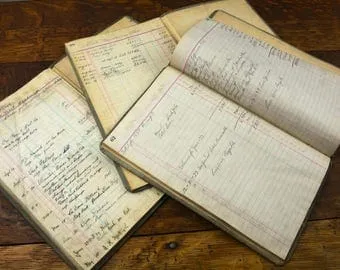
The ledger on our desk records every transaction we've made since the reign of a different queen. But the entries that matter most were never written in it. They were written in favours, in borrowed tools, in tins of eggs with the right money left behind.
So here is our invitation. If your street has an arrangement worth celebrating — a shed with an open-door policy, a gate that's always unlatched, a flowerpot with a history — we should like to hear about it. Write to us, or stop by the shop. Some of the best stories we've ever published began with somebody saying, "Well, it's nothing really."
It is never nothing. It is the whole thing.