An Hour for Bread and Conversation: In Defence of the Lunchtime Shut
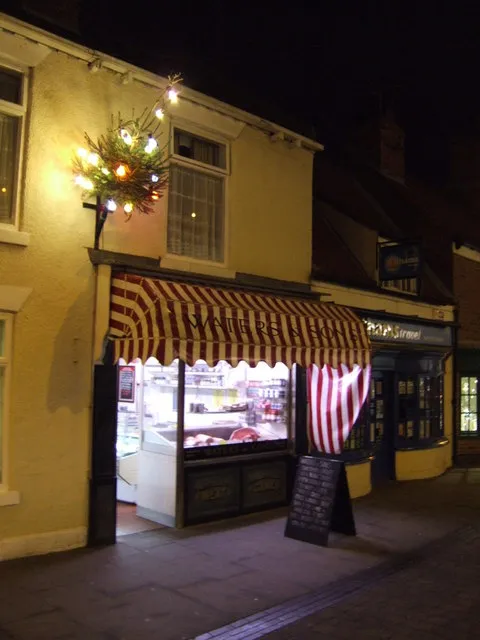
Photo: Jonathan Billinger, CC BY-SA 2.0, via Wikimedia Commons
There is a brass bell above our door that has been rung at twelve o'clock precisely, six days a week, since before the last war. It is not a fashionable arrangement. Visitors from out of town, arriving at half past twelve on a Saturday, sometimes peer through the glass with the mild indignation of people who have been personally inconvenienced by history. A notice in the window explains, as it has explained since 1954, that we shall return at half past one.
We have considered, over the years, whether this notice might be retired. We have decided, each time, that it shall not.
What the Lunch Hour Is Actually For
It is easy to frame the closed door as a relic — one more stubborn habit from a firm that has been trading since 1892 and sees no urgent reason to change. But the hour between noon and half past one is not empty time. It is the hour in which our staff eat a proper meal at a proper table, collect children from the school gate, post a parcel, or simply sit in the churchyard with a flask and their own thoughts.
A shop that never closes is a shop whose people never properly stop. We have watched the high street fill, over the past two decades, with establishments whose lights burn from seven in the morning until ten at night, and we have watched the faces of the people who work in them. There is a difference between serving a community and being consumed by it.
There is a further point, less often made. The lunchtime closing is not only for us. It shapes the rhythm of the town itself.
The Town Keeps Its Own Time
When we close, something else happens. The butcher on the corner closes too — he always has. The library quiets. The market traders take their sandwiches down to the beck. For ninety minutes, the town belongs to its residents rather than its commerce. People meet one another in the street without the pressure of a queue behind them. Friendships are maintained in precisely the gaps that a modern retail consultant would identify as inefficiencies.
We could, of course, remain open. We would sell perhaps a dozen more loaves, take a few more enquiries about the cottages on the market, and the till would be the better for it. But the town would be the poorer, and so, we suspect, would the loaves.
Planning a Week Around Brookshaws Hours
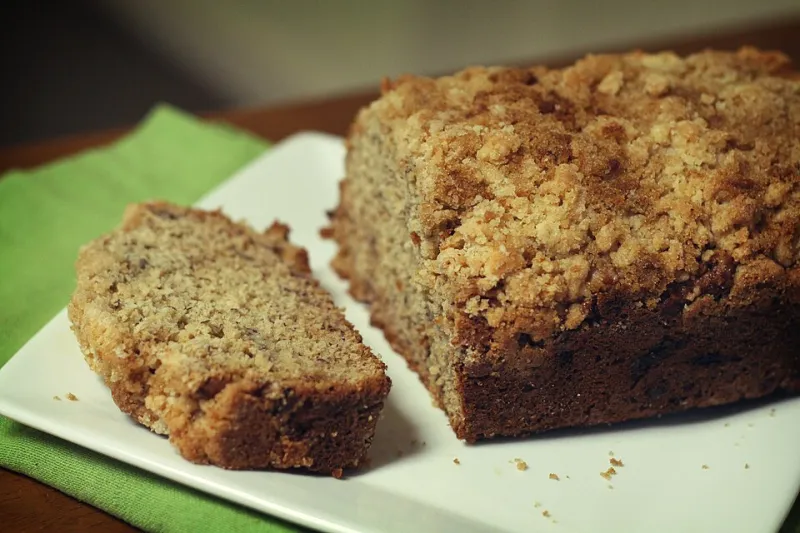
We are occasionally told that customers organise their lives around our opening times, and we confess this pleases us more than it probably should. Mrs Hartley, who has shopped with us since her wedding in 1968, arranges her fortnightly round so that she arrives at eleven, when the bread is still warm and the conversation unhurried. Mr and Mrs Okafor, who moved here from Leeds three years ago, told us that at first the lunchtime closure struck them as an affectation. Now, they say, they use the hour to walk the river path — a habit they credit with keeping them in the town at all.
A retired schoolmaster once wrote to us to say that he timed his weekly visit 'against the bell', and that the certainty of it — the knowledge that the shop would be open at ten and shut at twelve and open again at half past one — was one of the few reliable pleasures left in his calendar. Reliability, we would argue, is an underrated virtue. A shop with unpredictable hours asks its customers to be on call. A shop with fixed hours makes a promise and keeps it.
The Half-Day That Built the Trade
The old half-day — Wednesday afternoons, in our case, until the nineteen-seventies — was never mere idleness. It was the recognition that the people behind the counter had households of their own, and that a town full of exhausted shopkeepers would soon be a town with no shops at all. The early Brookshaws worked six days and rested on the seventh, and the lunch bell came later as a small mercy they never took for granted.
When we ring it now, we are ringing for them as much as for ourselves. Five generations of the family have heard that bell, and not one of them mistook it for a lost sale.
An Invitation, Not an Inconvenience
So we shall say it plainly for those who arrive at noon and find the door shut: we are not closed to you. We are closed for you — for the walk you might take, the neighbour you might meet, and the meal we shall all, with any luck, sit down to properly. Come at ten, or come at two, and you will find us at the counter, glad of the custom and glad, too, of the hour we took to be ready for it.
The bell will ring at twelve. It always has. We intend that it always shall.