Pinned, Written, Noticed: What the Shop Door Board Still Tells Us
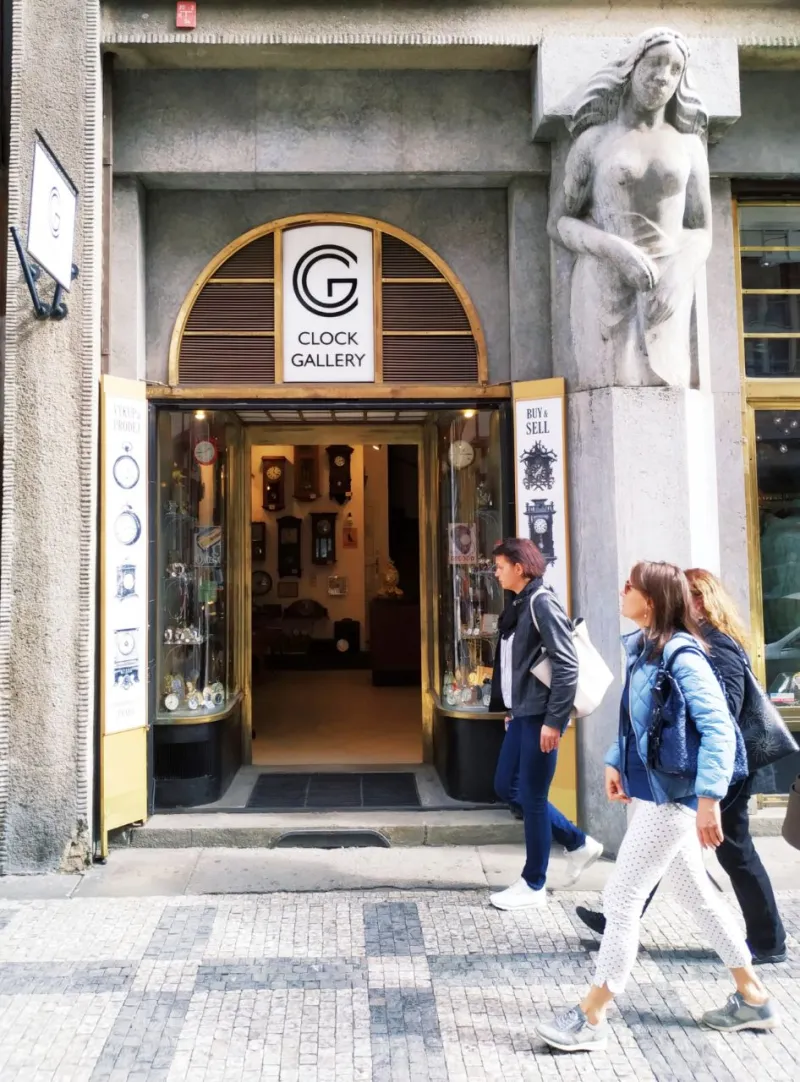
Photo: Patrik Pařízek, CC BY-SA 4.0, via Wikimedia Commons
The noticeboard by our door has never been an archive. It is a working surface: cork, drawing pins, a few curling cards and the reliable smell of pencil. Someone pins a card at breakfast; by teatime it has been read by a dozen people and torn into tabs by two. We have kept such a board at Brookshaws for as long as anyone here can remember, and over the past two decades it has become one of the most honest records of this town we possess.
A Board With No Editor
There is no algorithm at work. A card either fits the space or it does not. We trim the edges, remove the stale notices and, when asked, lend a pencil. The board does not rank its messages. A request for a lodger sits beside piano lessons; a lost dog shares a corner with a harvest supper. This is not disorder. It is the ordinary order of a place where people still need one another in small, practical ways.
What the Notices Ask For
The small ad is a modest document, but it is rarely trivial. A room to let tells us that a household needs income, or that a grown child has left and the spare room must earn its keep. Piano lessons advertise both aspiration and the quiet persistence of a teacher who has perhaps been at it for thirty years. A lost dog notice reveals a network: the names of streets, the time of day, the willingness of strangers to look in hedges and under parked cars.
Then come the notices that mark the calendar. Harvest suppers, church fetes, a coffee morning for the hospice, a scout jumble sale. These are not advertisements in the commercial sense. They are invitations to a town to remember itself. When the same fete appears year after year with a new venue or a new time, the board records a change that no official history would bother to note.
Streets That Change Quietly
If one wanted a social barometer, one could do worse than read the board from top left to bottom right. The wording of a room-to-let card is a small education in local housing. A room in a family house near the church, breakfast included, speaks of a different town from a studio flat above a shop with its own entrance and no questions asked. The first suggests spare capacity and a degree of supervision; the second suggests transience, privacy and a landlord who would rather not be troubled.
We notice which streets appear more often than they did. A terrace that once advertised only at the start of summer begins to show cards in February. A road where notices used to mention babysitting now mentions parking permits. None of this is dramatic. It is the quiet movement of a town adjusting its belt, room by room.
The Brookshaws Responsibility
Our role is modest but not passive. We keep the board tidy because a cluttered board is a disregarded board. We remove notices for events that have passed, and we ask those who pin cards to include a date and a telephone number that can be read by someone without their glasses. We have never regarded the board as ours to edit in any larger sense. It belongs to the town; we merely provide the cork.
That is not to say we are indifferent. A good noticeboard is a form of trust. The person who pins a card trusts that it will be read fairly, not sorted into favour and neglect. The person who reads it trusts that the card is current and the number genuine. These are small contracts, but they hold a place together.
What the Tabs Tell Us
A card with all its tabs removed tells you that the town is looking. A card with none removed tells you something else: perhaps the price is wrong, the wording unclear, or the need too particular. We have learned not to read too much into a single card. But over twenty years, the pattern is clear. People advertise what they cannot otherwise obtain: a room, a lift, a teacher, a companion, a buyer for a piano that no one in the family can play.
On a wet Monday, the board is often the busiest place in the shop. People linger under the awning, reading notices they have no immediate need of, and that is part of its purpose. It gives a town something to read besides the weather. It lets a person discover that the woman two streets away teaches piano, that the church hall is free on Thursdays, that someone has found a tabby cat and would like to hand it back.
The board by the door is not a monument. It is a conversation, conducted in pencil and pin. We intend to keep it that way.