The Rooms We Keep and the Life We Carry: A Practical Guide to Moving Somewhere Smaller
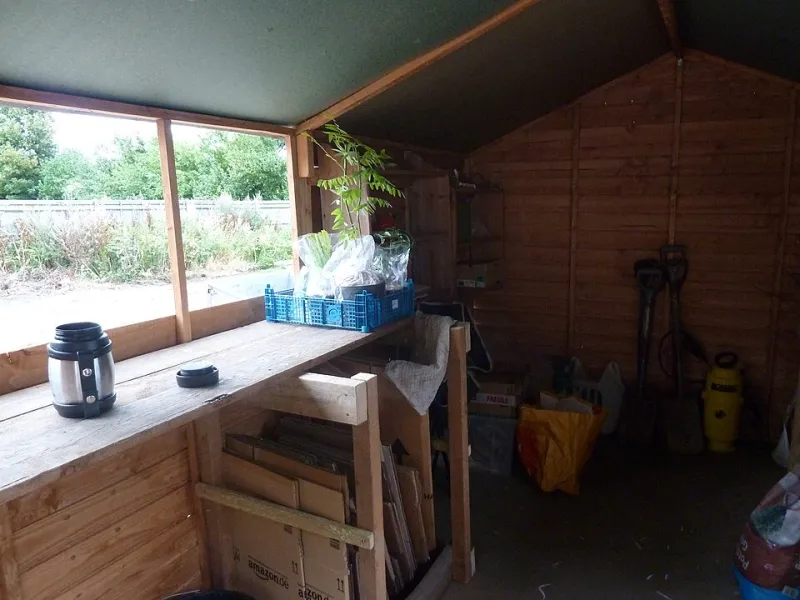
Photo: peganum from Small Dole, England, CC BY-SA 2.0, via Wikimedia Commons
Downsizing is often described as a matter of square footage. In our experience it is a matter of life. The house may be too large, the stairs too many, the garden too demanding; but the decision is rarely made by arithmetic alone. It is made by a family sitting in a front room, wondering what comes next and whether the next chapter can be arranged without losing the plot of the last one.
Begin With the Life, Not the House
Before anyone measures a new kitchen, ask what a good week looks like. Is it a short walk to the shops and a bus that runs after dark? Is it a spare room for grandchildren, or a smaller place with no stairs and a reliable boiler? Is it a garden to sit in rather than to labour over? These are not sentimental questions. They are the practical terms on which independence is kept or lost.
A smaller house can be a larger life if it is chosen for the right reasons. It can also be a lonely flat if it is chosen only because the house has become expensive to heat. We have walked families through both outcomes. The difference is usually whether the move began with a clear picture of daily life or with a panic about the roof.
The First Three Boxes
Start in one room, not the whole house. Use three boxes: one for what will travel, one for what will be given away and one for what cannot yet be decided. The third box is important. It prevents a difficult afternoon from becoming a moral test of one's entire past.
Begin with the easy things: duplicate kitchen equipment, old paperwork, clothes that have not been worn for years. Keep the documents that matter in one folder as you go: deeds, wills, pension papers, insurance, the names of solicitors and accountants. Photographs should be sorted later, when there is time to be distracted by them. The aim of the first week is not to empty the house. It is to make the house feel less like a single solid block of memory.
Involving Family Without Handing Over the Keys
Families often become involved at the wrong moment. If they are invited only after the house is on the market, they arrive as critics of decisions already made. If they are involved too early, the person who is moving can feel that the process has been taken out of their hands. The useful moment is when the intention is clear but the details are not.
Ask a son or daughter to help with practical tasks: measuring furniture, finding a solicitor, sorting a cupboard, making a list of questions for the estate agent. Do not ask them to decide what should be kept. That decision belongs to the person whose life is being packed. A family can offer a second opinion; it should not become a committee of removal.
Valuing a Lifetime Without Pricing It
Some possessions have a market value and some have a story value, and the two are not the same. It is sensible to have good furniture, pictures or jewellery valued if there is any doubt. It is not sensible to let a valuation decide what a person is allowed to feel about a chair.
A useful distinction is between the valuable, the useful and the touchstone. The valuable may need to be sold or insured. The useful will probably fit somewhere. The touchstone is the object that carries a person's history: a clock, a dish, a photograph, a tool from a father's workshop. These need not be numerous. A smaller home can hold a great deal of life if the life is chosen carefully.
What to Take, Room by Room
In the kitchen, take the pans and knives that are actually used. In the sitting room, measure the furniture against the new room before assuming it will fit. In the bedroom, keep the bed that sleeps well and the chair that is easy to rise from. In the garden, take the tools that will still be used and offer the rest to neighbours or a local allotment.
Paperwork deserves its own box. Keep it out of the removal van if possible and carry it yourself. This is not merely cautious; it gives a sense of control on a day when control is in short supply.
Independence Is the Point
The right move is not the one that sheds the most space. It is the one that keeps a person at the centre of their own life. That may mean a smaller garden, a lift, a downstairs bathroom or a shorter walk to the bus stop. It may mean staying in the same town, near the same counter and the same familiar faces. None of these are small considerations.
A house is not the home. The home is the arrangement of a life: the chair by the window, the kettle in reach, the photographs where they can be seen, the door that opens to visitors. A smaller place can hold all of that, provided the move is made with care rather than simply with haste.