The Shortcuts We Keep Quiet: A Walk Through the Town's Unofficial Map
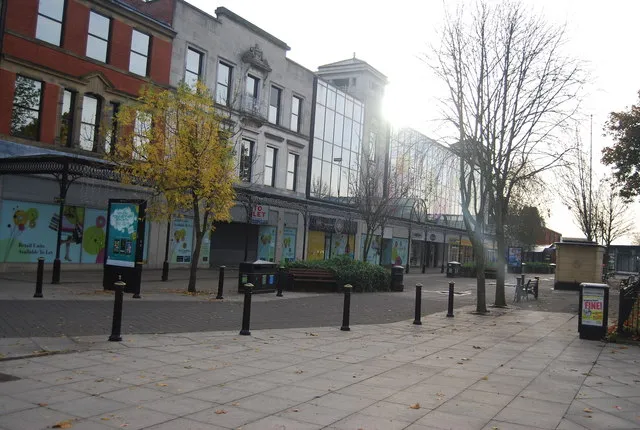
Photo: N Chadwick , CC BY-SA 2.0, via Wikimedia Commons
There are two maps of this town. The first is the Ordnance Survey version, tidy and official, all measured roads and named parks. The second is the one that lives in people's heads — a tangle of shortcuts, favoured benches and gates that open with a particular creak. At Brookshaws, we have made our living from the first map, but it is the second one we have come to love.
The Geography of Habit
Anyone who has lived here long enough develops their own private cartography. The alley that runs behind the old wool warehouse, saving you a five-minute trudge past the ring road. The gap in the hedge by the cricket field that every dog walker in the parish has politely ignored for decades. The step outside the bakery where two generations of teenagers have sat to eat their chips.
These routes and resting places rarely appear in any guidebook, yet they shape daily life more than the high street does. When families come to us about moving house, it is often these small geographies they are really asking about. Can the children still cut through to school? Is the allotment gate within walking distance? Which end of the road catches the evening light on the walk back from the pub?
What a Century of Valuations Teaches You
After five generations of valuing houses in this town, we can tell you something the property portals cannot: the streets people fall in love with are rarely the streets that photograph well. It is the cul-de-sac with the footpath to the canal. The terrace backing onto the meadow. The corner where the chestnut tree drops conkers every September and the children gather like it was arranged.
We have watched house prices rise and fall — the war, the booms, the crash of the late eighties, the quieter corrections since — and through all of it, the unofficial map has held its value. A home that connects to the town's hidden geography, its cut-throughs and quiet corners, is a home that stays wanted. That is not sentimentality. That is simply what we have observed, ledger after ledger, since 1892.
The Gate That Has Been Squeaking Since 1975
Ask older residents about the park and they will tell you, with some pride, that the far gate has squeaked since it was rehung in the mid-seventies. It has been oiled, reported, and petitioned against. It still squeaks. And truthfully, nobody would have it otherwise — that sound is as much a part of the park as the bandstand or the bowling green.
Towns are held together by such small continuities. A bench dedicated to a long-gone postman, polished by use. The iron railing everyone uses as a handhold on the steep lane. The low wall by the bus stop that is, and always has been, the meeting point. When these vanish, people feel it — not as a change in the town, but as a change in themselves.
An Invitation
This is where you come in. We are quietly compiling our own map of the town's secret spots — the shortcuts, the views, the corners that only locals know — and we would like your contributions. Where do you take visitors to show off? Which path do you walk when the day has been unkind? What landmark, official or otherwise, would you defend before the parish council?
Write to us, or mention it next time you are passing the office. In the spring we hope to publish a selection of the best entries — with permission, of course — as a small record of the town as its residents actually know it.
After all, selling houses is only part of what we do. The other part is knowing the ground beneath them, every inch of it — the official map, and the one we keep in our heads.