The Stories Houses Tell: A Valuer's Reflection on Worn Staircases and Well-Kept Gardens
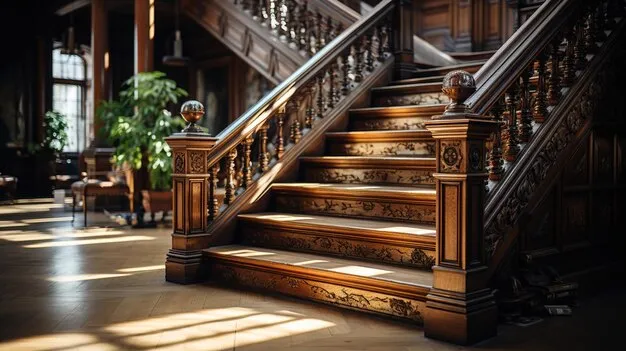
Photo: worn wooden staircase in old English terraced house, warm light, via img.freepik.com
There is a moment, familiar to every valuer who has walked these streets for any length of time, when the paperwork falls away and the house begins to speak.
It is not a dramatic moment. Nobody announces it. It arrives somewhere between the hallway and the back bedroom, when you notice that the banister rail has been polished smooth by four generations of hands, or that a pencil line on the kitchen doorframe marks the heights of children who left home decades ago.
At Brookshaws & Sons, we have been taking measurements of this town's homes since 1892. In that time, we have come to believe something rather unfashionable: that a valuation is not really a valuation at all. It is a reading of a life.
What the Fabric of a House Confesses
Consider the staircase. A valuer notices, almost without thinking, which side of the tread is worn. It tells you where the family habitually walked — the child who hugged the wall, the parent who carried laundry down the middle. The scuff marks at knee height near the front door speak of boots kicked off after long shifts. The faint rectangle of paint behind a picture that has hung in the same place since the Coronation tells you this was a household that valued constancy.
Gardens are equally candid. A bed of established rhododendrons suggests hands that stayed. A greenhouse with seed trays still in neat rows belongs to a gardener with plans for next spring — and there is a particular sadness, and a particular privilege, in valuing such a home when those plans will now pass to somebody else.
Even the smell of a house carries information. Baking, beeswax, woodsmoke from a range lit every winter since before the war. These are not details that appear on any schedule of accommodation, yet they are the substance of what a buyer is truly purchasing.
Square Footage Versus the Shape of a Life
The modern property industry is fond of floor plans and price-per-square-foot calculations. We use them ourselves, and they have their place. But nobody has ever fallen in love with a floor plan.
People fall in love with the sense that a house has been lived in well. The pantry with its original hooks. The cellar steps where a bicycle was once repaired. The back door that sticks in exactly the way it has stuck since 1974, and which the vendor apologises for with genuine affection.
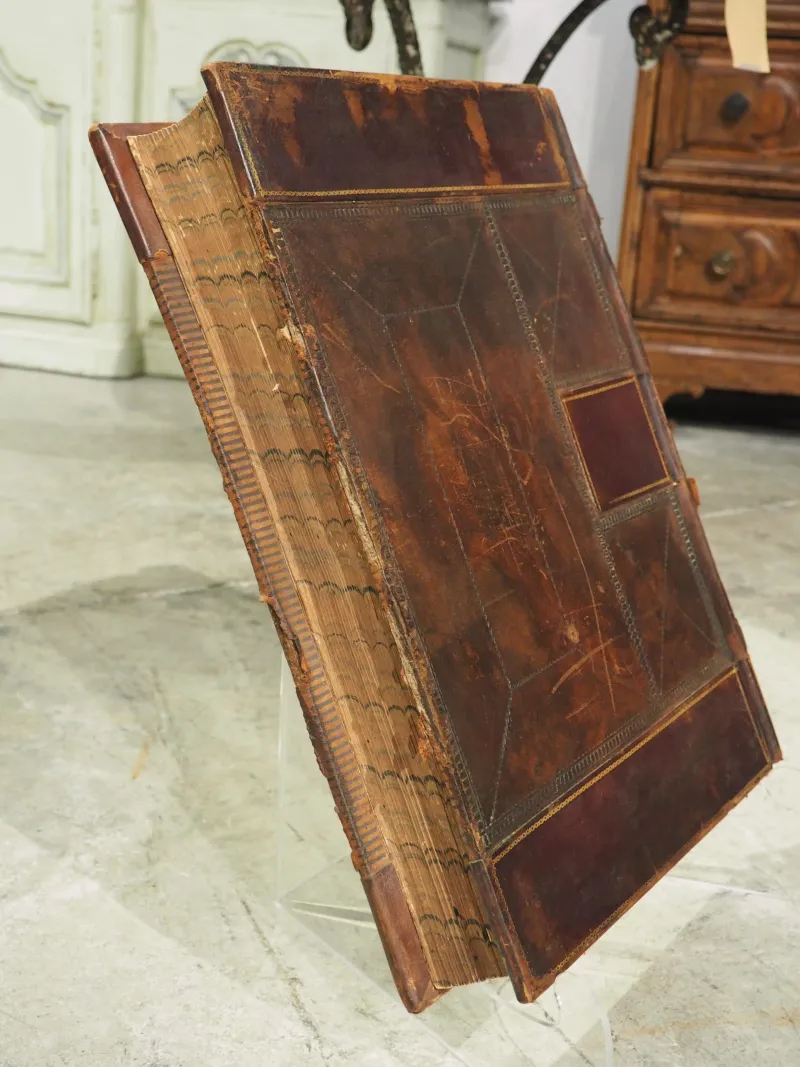
Our founder, the first Mr Brookshaw, kept a leather ledger in which he recorded not merely prices but particulars: the widow at number 14 who needed a quick sale and a kind word; the young couple who had saved for eleven years. That ledger, still on my desk, taught us that the transaction was never the point. The point was the handover of a life from one custodian to the next.
Reading Your Own Home
Here is an exercise we sometimes suggest to clients preparing to sell: walk through your house as a stranger would, and ask what it says about you.
Which doorframe bears the pencil marks? Which chair sits nearest the fire? Where does the light fall at seven o'clock on a summer evening — and did you choose that room because of it?
Most people, when they try this, are surprised. The house has been keeping a diary all along, and they never thought to read it.
We would genuinely like to hear what your home reveals about you. If you have lived in this town long enough, the chances are that one of our valuers has already stood in your hallway, notebook in hand, quietly taking the measure of more than the rooms.
A house that is put on the market is not ending its story. It is merely closing one chapter, ready for a new pair of hands to make their own marks on the doorframe. Our job — the whole of our job, these past hundred and thirty years — is to make sure the chapter turns with dignity, and that the next reader understands what they have inherited.