Before the Board Goes Up: The Case for the Quiet Sale
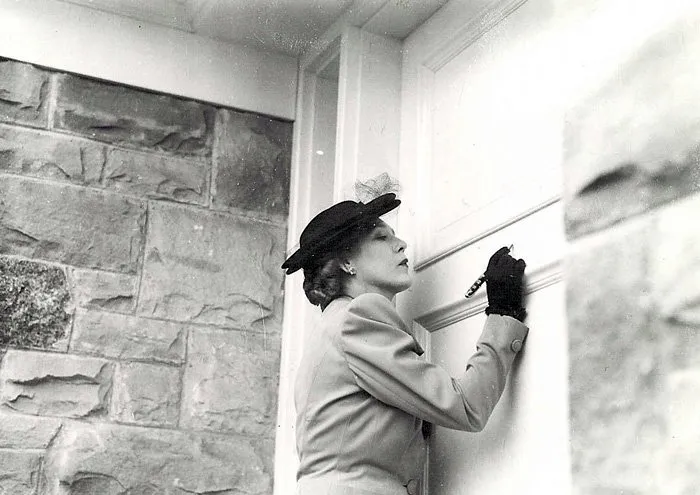
Photo: Unknown authorUnknown author, Public domain, via Wikimedia Commons
There is a particular kind of sale that never makes the property pages. No listing, no photography, no Friday-evening scramble of viewings. A bungalow changes hands between neighbours. A farm passes to the family who have tenanted it for twenty years. A cottage is sold, quietly, to the young couple from over the road before anyone else knows it was coming available.
In the trade we call these off-market sales. In this town, people have always just called it doing things properly.
How the Quiet Sale Works in Practice
The mechanics are simpler than you might expect. A vendor tells us their intentions privately. We hold the instruction in confidence and approach only suitable, vetted parties — often one, occasionally two or three. Terms are discussed face to face. A solicitor is instructed, surveys are carried out, and the transaction proceeds exactly as any other would, with all the usual legal protections.
What is absent is the theatre: the board, the portal listing, the price-anchor visible to the entire postcode.
The Benefits, Honestly Weighed
For sellers, the advantages are real. There is no disruption of endless viewings, no strangers traipsing through the hall on a Sunday. For those selling in sensitive circumstances — bereavement, divorce, financial difficulty — privacy is not a luxury but a necessity. And where a known buyer is involved, the fall-through rate tends to be lower; a neighbour who has wanted the house for a decade rarely gazumps over two per cent.
For buyers, an off-market approach can be the only route into a street where stock simply never appears.
The Drawbacks We Will Not Pretend Away
An honest opinion piece must acknowledge the risks. Without open-market exposure, a seller may never learn what the property would truly have fetched. Competition, which drives prices upward, is absent by design. And an off-market sale conducted carelessly — without proper valuation evidence or independent advice — leaves a vendor vulnerable to a low offer dressed up as a kindness.
There is also a wider concern. When too many transactions happen behind closed doors, the visible market thins, and buyers lose their sense of what properties are worth. A healthy market needs daylight.
Our Position: Handshakes, Yes; Opacity, No
We will defend the quiet sale, because we have watched it serve this community well for generations. Some of the finest outcomes we have brokered — the farm passed to its tenant, the bungalow that kept a widow next door to her daughter — were done over a cuppa and a handshake, with solicitors formalising what goodwill had already settled.
But we draw a firm line between discretion and opacity. Every vendor we advise on an off-market sale receives a proper written valuation, comparable evidence, and a clear statement that testing the open market remains their right. A handshake is only worth what sits behind it, and what should sit behind it is honest information on both sides of the table.
In an age when the first question asked of any house is "what did the portal say?", we believe there is still room for the quieter transaction — provided it is entered into with eyes open, advice taken, and nobody shortchanged. That, after all, has been our approach since 1892.